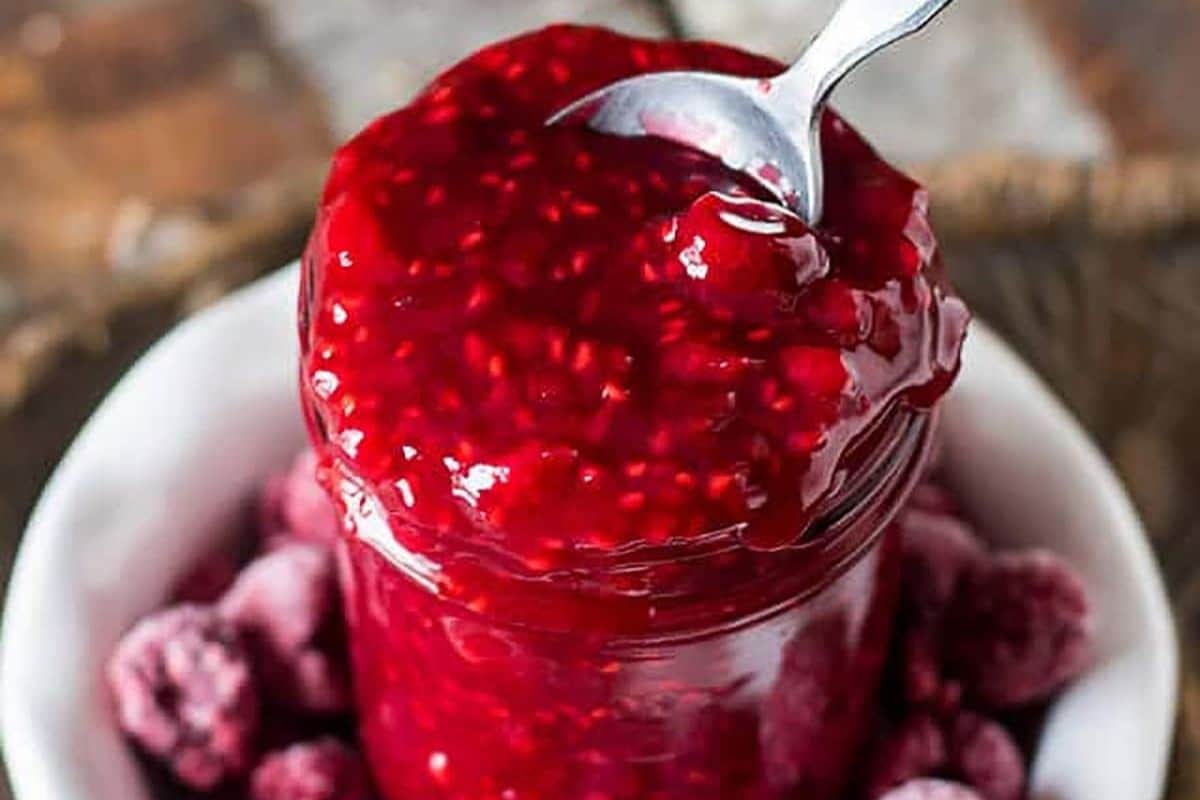
Extend Your Harvest: Easy Raspberry Sauce That Lasts
There's nothing quite like the vibrant burst of flavor from fresh raspberries. But, as any home gardener or keen shopper knows, their delicate beauty is fleeting. Raspberries, while delicious, have a notoriously short shelf life, often succumbing to mold mere days after purchase. What if you could capture that peak-season goodness and enjoy it for weeks, or even months, to come? The answer lies in mastering an easy homemade raspberry sauce recipe. It's a simple, rewarding way to preserve the bounty of your garden or the deals from the farmer's market, transforming fleeting berries into a versatile pantry staple that truly lasts.
Why Make Your Own Raspberry Sauce? Beyond Fresh Berries
Making your own raspberry sauce isn't just about deliciousness; it's a smart strategy for anyone who appreciates fresh produce. It offers a solution to common berry woes and unlocks a world of culinary possibilities.
The Fresh Berry Dilemma: Embracing Longevity
We've all been there: a half-eaten package of raspberries wilting in the fridge, or worse, growing fuzz. Fresh raspberries, despite their allure, are incredibly perishable. This sensitivity to spoilage means that unless consumed almost immediately, a significant portion of your hard-earned (or purchased) berries can go to waste. Creating a raspberry sauce recipe offers a fantastic solution. By cooking them down with sugar and other ingredients, you stabilize the fruit, extending its life far beyond its fresh counterpart. This process not only prevents waste but also allows you to enjoy the unparalleled flavor of fresh berries long after their season has passed, whether you use fresh or frozen berries for your sauce.
Unlocking Flavor and Versatility
Beyond preservation, a homemade raspberry sauce elevates an astonishing array of dishes. It's not just for dessert; think of it as a flavor enhancer for breakfast, a vibrant component in savory meals, or a sophisticated addition to beverages. The intense fruit flavor, balanced sweetness, and often slightly tart edge of a well-made sauce can transform mundane dishes into memorable culinary experiences. From drizzling over pancakes and yogurt to swirling into cocktails or pairing with roasted meats, its adaptability is truly impressive.
The Essential Raspberry Sauce Recipe: Simple Ingredients, Lasting Flavor
Crafting a delicious and long-lasting raspberry sauce doesn't require complex techniques or exotic ingredients. The beauty lies in its simplicity, allowing the natural flavor of the raspberries to shine. Here’s a comprehensive approach to making a raspberry sauce that will become a go-to in your kitchen.
Gathering Your Ingredients for the Perfect Raspberry Sauce Recipe
The foundation of any great sauce starts with quality ingredients. For this versatile raspberry sauce recipe, you'll need just a few key components:
- Raspberries: Approximately 1 to 1.5 pounds of fresh or frozen raspberries. While fresh berries offer a slightly brighter initial flavor, frozen raspberries work beautifully and are often more economical, especially out of season.
- Granulated Sugar: 1/4 to 1/2 cup, adjusted to your sweetness preference and the natural sweetness of your berries. Sugar not only sweetens but also acts as a natural preservative, contributing to the sauce's longevity.
- Water: 1/4 cup, or as needed. This helps dissolve the sugar and gets the cooking process started without scorching the fruit. For a thicker sauce suitable for cake fillings, you might reduce or even omit the water.
- Lemon Juice: 1-2 teaspoons, freshly squeezed. This is optional but highly recommended. Lemon juice brightens the overall flavor, balances the sweetness, and enhances the natural tartness of the raspberries.
- Optional Flavor Enhancers:
- Seedless Raspberry Jam (1 cup): As suggested by some recipes, incorporating a good quality seedless raspberry jam can add depth of flavor and help thicken the sauce, especially useful if you prefer a richer consistency without added thickeners.
- Framboise Liqueur (1 tablespoon): For an adult twist, a splash of raspberry liqueur adds a sophisticated layer of flavor.
- Vanilla Extract (1 teaspoon): A touch of vanilla can warm the flavor profile beautifully.
- Thickeners (1 tablespoon arrowroot powder or cornstarch mixed with 1-2 tablespoons water): If you desire a very thick sauce for specific uses like pie filling or a glaze, a slurry of arrowroot powder or cornstarch can be added at the end. Many prefer arrowroot as a gluten-free alternative to cornstarch, but both work effectively.
Step-by-Step Guide to a Lasting Raspberry Sauce
- Prepare the Berries: If using fresh raspberries, gently wash them under cool water and inspect for any moldy or overripe berries, discarding them. No need to wash frozen berries.
- Combine and Simmer: In a medium saucepan, combine the raspberries, granulated sugar, and 1/4 cup of water (if using). If you're aiming for a very thick sauce, start with less water or none at all. Place the saucepan over medium heat. Bring the mixture to a gentle boil, then reduce the heat to a simmer.
- Cook Until Softened: Allow the raspberries to simmer for 3 to 7 minutes, stirring occasionally with a rubber spatula or wooden spoon. During this time, the berries will break down, the sugar will dissolve, and the sauce will start to thicken slightly. If using jam, you can stir it in during the last minute of simmering to ensure it fully incorporates.
- Add Flavor Enhancers: Remove the pot from the heat. Stir in the lemon juice, vanilla extract, and any optional liqueurs like Framboise.
- Optional Seed Removal: For a silky-smooth, seedless raspberry sauce, carefully press the cooked mixture through a fine-mesh sieve or strainer using the back of a spoon or a rubber spatula. This step is entirely optional; some prefer the rustic texture and natural fiber of a seeded sauce.
- Optional Thickening: If you're using a thickener, prepare a slurry by mixing arrowroot powder or cornstarch with 1-2 tablespoons of cold water in a small ramekin until smooth. Slowly pour the slurry into the warm berry sauce, stirring constantly until the sauce visibly thickens, usually within a minute or two.
Extending Your Harvest: Storage and Shelf Life Secrets
The true magic of this raspberry sauce recipe lies in its ability to last, allowing you to enjoy the taste of summer long after the season ends. Proper storage is key to maximizing its shelf life.
Cooling and Jarring for Longevity
Once your raspberry sauce is cooked to perfection, allow it to cool completely to room temperature before storing. This prevents condensation from forming inside the jars, which can lead to spoilage. For best results and extended shelf life, pour the cooled sauce into clean, sterilized glass jars. Mason jars with tight-fitting lids are ideal. Sterilizing jars is simple: wash them thoroughly with hot, soapy water, rinse well, and then either boil them for 10 minutes or run them through a hot dishwasher cycle. Dry completely before filling.
Refrigeration and Freezing for Maximum Storage
- Refrigeration: Once sealed, your homemade raspberry sauce can be stored in the refrigerator for several weeks (typically 2-3 weeks). Always check for any signs of spoilage (unusual smell, mold) before consuming.
- Freezing: For even longer preservation, raspberry sauce freezes beautifully. Pour the cooled sauce into freezer-safe containers, leaving about an inch of headspace to allow for expansion. You can also freeze it in smaller portions, like ice cube trays, for easy single servings. Frozen raspberry sauce can last for up to 6 months or even longer, maintaining its vibrant flavor and texture. Thaw overnight in the refrigerator before use.
Creative Uses for Your Abundant Raspberry Sauce
Having a batch of this versatile raspberry sauce on hand opens up a world of culinary possibilities. Here are just a few ideas:
- Drizzle over pancakes, waffles, French toast, or oatmeal for a luxurious breakfast.
- Swirl into yogurt, cottage cheese, or a smoothie for an instant flavor boost.
- Layer it into trifles, parfaits, or spoon it over panna cotta, cheesecake, or ice cream.
- Use it as a filling for tarts, cakes, or crepes.
- Mix it into sparkling water or Prosecco for a refreshing beverage, or use it in cocktails.
- Serve it alongside roasted chicken, duck, or pork tenderloin as a sweet and tangy glaze or accompaniment.
- Spread it on toast or biscuits for a quick, elegant treat.
For more quick ideas, check out Whip Up Easy Homemade Raspberry Sauce in 15 Minutes.
Tips for Elevating Your Raspberry Sauce
While the basic raspberry sauce recipe is fantastic on its own, a few extra tips can take it from great to extraordinary:
- Adjust Sweetness to Taste: The amount of sugar is a guideline. Always taste your raspberries before adding sugar, and adjust accordingly. Very ripe berries may need less sugar, while tarter varieties might need a bit more.
- Play with Citrus: Beyond lemon juice, consider a hint of orange zest or lime juice for different flavor nuances.
- Herbaceous Notes: A sprig of fresh mint or a tiny bit of fresh thyme added during the simmering process can infuse subtle, sophisticated flavors. Remove before straining.
- Spice It Up: A tiny pinch of cardamom or a cinnamon stick can add warmth and depth, especially if pairing with fall or winter desserts.
- Don't Overcook: Simmer just long enough for the berries to break down and the sugar to dissolve. Overcooking can dull the fresh, bright flavor.
- Seed Preference: If you absolutely detest seeds but don't have a fine-mesh strainer, you can try blending the sauce more thoroughly in a food processor (if using an immersion blender, be careful of splashing), and then passing it through cheesecloth for a near-seedless result.
Making your own raspberry sauce is a simple yet incredibly rewarding culinary endeavor. It's a testament to the power of home cooking – transforming perishable produce into a lasting, versatile ingredient. This easy raspberry sauce recipe allows you to extend the fleeting joy of raspberry season, ensuring you have a vibrant taste of summer available whenever a craving strikes. So, gather your berries, big or small, fresh or frozen, and embark on a delicious journey that will keep your pantry stocked with homemade goodness for weeks and months to come.
