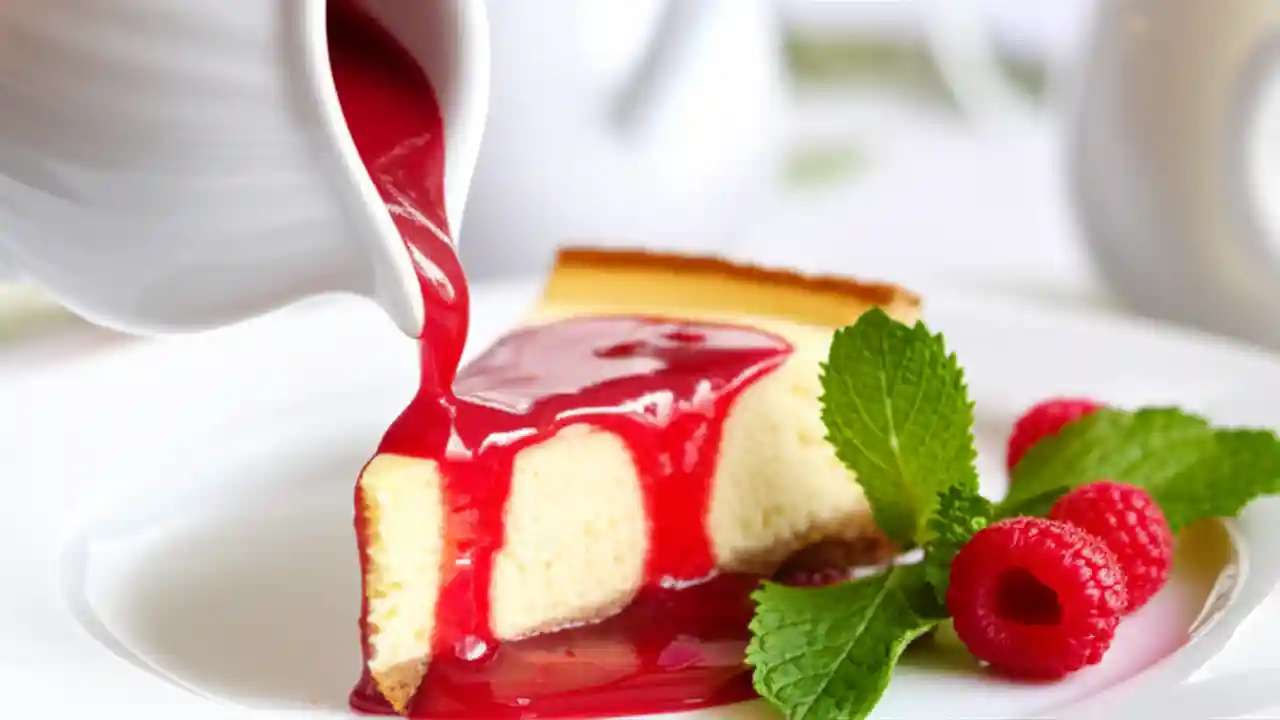
Fresh vs. Frozen: Your Guide to Perfect Raspberry Sauce
Few culinary delights capture the essence of summer quite like a vibrant, luscious raspberry sauce. Its sweet-tart profile and beautiful ruby hue make it a perfect accompaniment to a myriad of dishes, from decadent cheesecakes to simple scoops of vanilla ice cream. But as you embark on creating your own delicious batch, a common question arises: should you use fresh or frozen raspberries? This comprehensive guide will navigate the nuances of both options, offer a versatile raspberry sauce recipe, and empower you to create a perfect sauce every time, regardless of the season.
Fresh vs. Frozen Raspberries: A Culinary Showdown
The choice between fresh and frozen raspberries is often the first decision in crafting your perfect sauce. While both yield fantastic results, understanding their unique characteristics can help you make an informed choice based on availability, budget, and desired outcome.
The Allure of Fresh Raspberries
*
Vibrant Flavor Profile: Fresh raspberries, especially those picked at their peak, offer an unparalleled brightness and a delicate balance of sweet and tart. Their natural sugars and volatile aromatic compounds are at their most potent, translating into a sauce with remarkable depth. Many believe that for the purest "raspberry" flavor, nothing quite compares to using fresh berries.
*
Texture and Aesthetic: While the berries will be cooked down, starting with plump, unblemished fresh raspberries can feel more luxurious and ensure no surprises in terms of quality.
*
Seasonality and Cost: The primary drawback of fresh raspberries is their limited season and often higher price point outside of peak harvest. They are also incredibly delicate and prone to mold, requiring quick use once purchased. Using up fresh raspberries you have on hand, rather than letting them spoil, is a smart move.
The Convenience of Frozen Raspberries
*
Year-Round Availability: Frozen raspberries are a fantastic convenience, offering the taste of summer any time of year. They are picked ripe and flash-frozen, preserving much of their nutritional value and flavor.
*
Cost-Effective: Often more economical than fresh, especially off-season, frozen raspberries allow you to enjoy this delicious sauce without breaking the bank.
*
Minimal Impact on Cooked Sauce: For a cooked sauce where the berries are going to be broken down anyway, the textural differences between fresh and frozen largely disappear. Once thawed (or even added directly to the pot from frozen), they behave very similarly. In fact, some chefs find that frozen berries release their juices more readily upon cooking.
*
Practical Tip: If using frozen raspberries, there's no need to thaw them completely before cooking. You can add them directly to the saucepan with your other ingredients.
Ultimately, both fresh and frozen raspberries can produce a beautiful and delicious raspberry sauce. If you have access to peak-season fresh berries, enjoy their vibrant nuance. Otherwise, don't hesitate to reach for a bag of frozen – your taste buds will thank you!
Crafting Your Perfect Raspberry Sauce: Key Ingredients & Variations
A truly great raspberry sauce recipe is surprisingly simple, relying on just a few core ingredients. However, understanding how each component contributes and where you can introduce variations allows you to tailor the sauce to your exact preferences. For a quick and easy option, consider how you can
Whip Up Easy Homemade Raspberry Sauce in 15 Minutes.
The Foundation: Raspberries, Sugar & Liquid
*
Raspberries: As discussed, choose 1.5 to 2 cups of either fresh or frozen raspberries. The quantity can be adjusted based on how much sauce you need.
*
Sweetener: Granulated sugar is standard, typically ¼ to ½ cup, depending on the sweetness of your berries and your personal preference. You can also experiment with natural alternatives like honey or maple syrup for different flavor undertones. Always taste and adjust!
*
Liquid: Water (¼ to ½ cup) helps the berries break down and controls the sauce's consistency. For a thicker sauce, suitable for a cake filling, reduce the amount of water or omit it entirely. Lemon juice (1-2 teaspoons) is a fantastic addition, brightening the flavors and cutting through the sweetness, adding a lovely tang.
Thickeners & Flavor Boosters (Optional, but Recommended)
*
Natural Reduction: The simplest way to thicken your sauce is to cook it down longer, allowing the natural pectin in the raspberries to concentrate. This method results in a very pure flavor.
*
Arrowroot Powder or Cornstarch: For a more controlled thickness, especially if you want a sauce that holds its shape (like for a tart filling), a slurry made from a thickening agent is ideal. Mix 1 tablespoon of arrowroot powder (or cornstarch) with 1-2 tablespoons of cold water until smooth, then stir it into the warm sauce. Arrowroot is a popular choice for those avoiding corn-based products, and it creates a beautifully clear sauce.
*
Raspberry Jam: As seen in some classic recipes, adding a cup of seedless raspberry jam can enhance both the flavor and consistency, contributing a lovely glossy finish and extra fruitiness. This method is a shortcut to rich, deep flavor.
*
Flavor Enhancers:
*
Vanilla Extract: A teaspoon of good quality vanilla extract adds a warm, aromatic depth that complements raspberries beautifully.
*
Liqueurs: For an adult twist, a tablespoon of Framboise (raspberry liqueur) or Chambord (black raspberry liqueur) can elevate the sauce, adding sophistication and a boozy kick. Add this at the very end to preserve its delicate notes.
*
Citrus Zest: A little orange or lemon zest can add another layer of aromatic brightness without adding more liquid.
Step-by-Step: Your Go-To Raspberry Sauce Recipe
This versatile recipe can be adapted to your desired thickness and flavor profile.
1.
Prepare the Berries: If using fresh raspberries, gently wash them and pick out any bruised or molded berries. If using frozen, you can add them directly to the pan, or let them thaw slightly if you prefer.
2.
Combine & Cook: In a small to medium saucepan, combine your raspberries (1.5 to 2 cups), granulated sugar (¼ to ½ cup, to taste), and water (¼ to ½ cup, depending on desired thickness). If using lemon juice, add it now.
3.
Simmer to Soften: Place the saucepan over medium heat. Bring the mixture to a gentle boil, then reduce the heat to a simmer. Cook for 3 to 7 minutes, stirring occasionally with a rubber spatula, until the raspberries have broken down and the sugar has dissolved. The longer you simmer, the more the natural liquids will reduce, leading to a thicker sauce.
4.
Refine (Optional - for a Seedless Sauce): If you prefer a smooth, seedless sauce, carefully pour the cooked mixture through a fine-mesh sieve or strainer, pressing the solids with the back of a spoon to extract all the liquid and pulp. Discard the seeds. This step is highly recommended for an elegant, restaurant-quality sauce.
5.
Thicken (Optional - if using a slurry): If you desire a thicker sauce and didn't rely solely on reduction or jam, create an arrowroot or cornstarch slurry. In a small ramekin, mix 1 tablespoon of arrowroot powder (or cornstarch) with 1-2 tablespoons of cold water until completely smooth. Stir this slurry into the warm raspberry sauce on the stove. Cook for another minute or two, stirring constantly, until the sauce visibly thickens.
6.
Add Finishing Touches: Remove the sauce from the heat. Stir in any optional flavor boosters like vanilla extract (1 teaspoon), Framboise liqueur (1 tablespoon), or a pinch of citrus zest.
7.
Cool & Chill: Pour the fresh raspberry sauce into a clean glass jar or heat-proof container. Allow it to cool completely to room temperature before covering it tightly with plastic wrap or a lid. Refrigerate until thoroughly chilled, typically at least 45 minutes, or several hours for optimal consistency and flavor development.
Storage & Creative Ways to Enjoy Your Raspberry Sauce
Once you've mastered your perfect raspberry sauce, you'll want to know how to store it and all the delightful ways to enjoy it.
Storing Your Homemade Raspberry Sauce
*
Refrigeration: Properly stored in an airtight container (like a glass jar) in the refrigerator, your homemade raspberry sauce will last for up to 2-3 weeks.
*
Freezing: For longer storage, raspberry sauce freezes beautifully. Pour it into freezer-safe containers or even ice cube trays (for smaller portions), leaving a little headspace for expansion. It can be stored in the freezer for up to 3-4 months. Thaw overnight in the refrigerator or gently reheat on the stovetop. This is an excellent way to
Extend Your Harvest: Easy Raspberry Sauce That Lasts.
Beyond Dessert: Creative Serving Suggestions
*
Classic Desserts: The most obvious pairing! Drizzle over vanilla ice cream, cheesecake, panna cotta, chocolate cake, waffles, pancakes, French toast, or yogurt parfaits.
*
Breakfast & Brunch: Swirl into oatmeal, top a stack of fluffy pancakes or crispy waffles, or mix into plain Greek yogurt for a burst of flavor.
*
Beverages: Stir a spoonful into sparkling water for a refreshing raspberry spritzer, or muddle it into cocktails like a raspberry martini or prosecco.
*
Savory Pairings: Don't limit raspberry sauce to sweet dishes! It makes a fantastic glaze for roasted duck, pork tenderloin, or chicken. A dollop can also elevate a cheese board, especially paired with goat cheese or brie.
Whether you're celebrating summer's bounty with fresh berries or craving a taste of sunshine in the depths of winter with frozen, a homemade raspberry sauce recipe is a culinary delight within easy reach. Its versatility and vibrant flavor make it an indispensable addition to your kitchen repertoire. Experiment with thickeners, sweetness levels, and flavor enhancers to create a sauce that truly speaks to you. Enjoy the simple pleasure of crafting something so delicious from scratch!